Hepatitis B transmission occurs in 0.42 case per 100 NSIs.18

You have successfully logged out.


Not registered yet?
Sharps Injuries
Sharp Injuries are skin penetrating stab wounds caused by sharp instruments and accidents in a medical setting. These instruments include needles, lancets, scalpels and broken glass.1,2
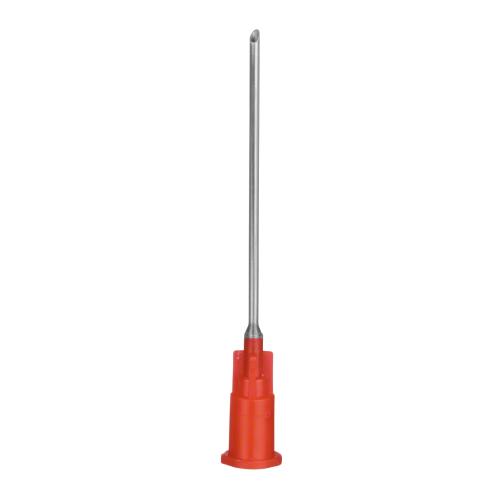
Needlestick Injuries (NSIs) are defined as an accidental skin penetrating stab wound caused by hollow-bore needles such as hypodermic needles, blood-collection needles, IV catheter stylets, and needles used to connect parts of IV delivery system.2,3

Up to
0%
of health care professionals had at least one NSI during their career.4
Up to
0%
of the health care professionals had at least one NSI during the last 12 months.6
Up to
0%
of the cases are not being reported.7
Psychosocialworking conditions and stress perception is associated with the risk of needlestick injuries.6

Heavy overtimework is associated with a
0-fold
increase of the risk for NSIs.9
The Centers for Disease Control and Prevention (CDC) summarize the most common causes:1,10
Percutaneous injuries pose significant risks to HCWs, especially where safety measures are lacking. These injuries, often caused by needles, surgical instruments, or glass, account for nearly 80% of sharps injuries, with 56% due to hollow-bore needles.1,10 High-risk needles like syringe needles, IV catheter stylets, and Butterfly needles cause 65% of hollow-bore injuries, frequently involving blood exposure. Physicians, laboratory staff, housekeeping, and laundry personnel are particularly vulnerable.1,11
Needlestick injury incidence rates are limited due to inadequate surveillance and underreporting.11,12 Studies show only 28.7% of HCWs report NSIs, with underreporting rates in the U.S. as high as 90%.3,16
Reasons include time constraints, perceived insignificance, lack of knowledge, and confidentiality concerns.17
Hepatitis B transmission occurs in 0.42 case per 100 NSIs.18

Hepatitis C transmission occurs in 0.05 - 1.3 cases per 100 NSIs.18

HIV transmission occurs in 0.04 - 0.32 cases per 100 NSIs.18
The main concern with NSIs is exposure to infectious BBF.2,20 Over 20 pathogens can be transmitted.1,10 Risk factors include pathogen concentration, wound depth, blood volume, and infection phase. Vaccinations and post-exposure prophylaxis (PEP) are crucial, as infected HCWs may develop serious diseases or face death.2,17
Direct costs include follow-up diagnoses and medical treatments, impacting health care facilities.
Indirect costs involve staff retention, compensation, insurance premiums, and potential litigations. Emotional trauma from NSIs, even without disease transmission, can result in counseling needs and productivity loss.12
NSIs and sharps injuries cost total of
0$
per case.21
| Short-term | Long-term |
| - Blood sampling | - HCW counseling |
| - Urgent testing (lab.) | - Follow-up blood test |
| - Vaccinations | - Long-term treatment |
| - Health care visits | |
| - Post exposure prophylaxis |
| Short-term | Long-term |
| - Loss of time due to axiety & distress | - Loss of HCW work day |
| - Administation effort | - Higher insurance permiums |
| - Associated litigations | |
| - Compensation claims |
The most common cause of needlestick injuries are hypodermic injections.22
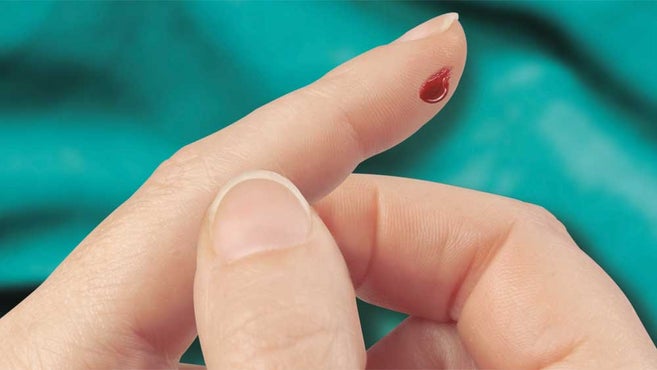
The Fig. 8 below shows an estimation of possible additional costs as a consequence of complications caused by sharps injury.
| Consequences | Cost Level* | Measure* | Cost per case* | |
| NSI resulting in transfer of bloodborne diseas | Level 1 |
| 10,000 £ - 620,000 £ | |
| NSI where source patients are known to be HIV or HCV or high risk, but no seroconversion | Level 2 |
| 3,000 £ - 5,000 £ | |
| Downstream injuries with unknown secure | Level 3 |
| 1,000 £ - 2,000 £ | |
| Low risk of infection but reported to Occupational Health | Level 4 |
| 50 £ - 100 £ | |
| Non-reported NSI | Level 5 | Time for self-help measure:
| up to 10 £
|
*Cost Level: These complications may require a specific treatment in addition to the patient's initial theraphy.
*Measure: Such an additional treatment may prolong the length to stay of the patient in the treatment facility.
*Cost per case: The combination of additional therapy and additional length of stay may result to further costs for thr health case provider.
0%
of sharps injuries are likely to be preventable.23

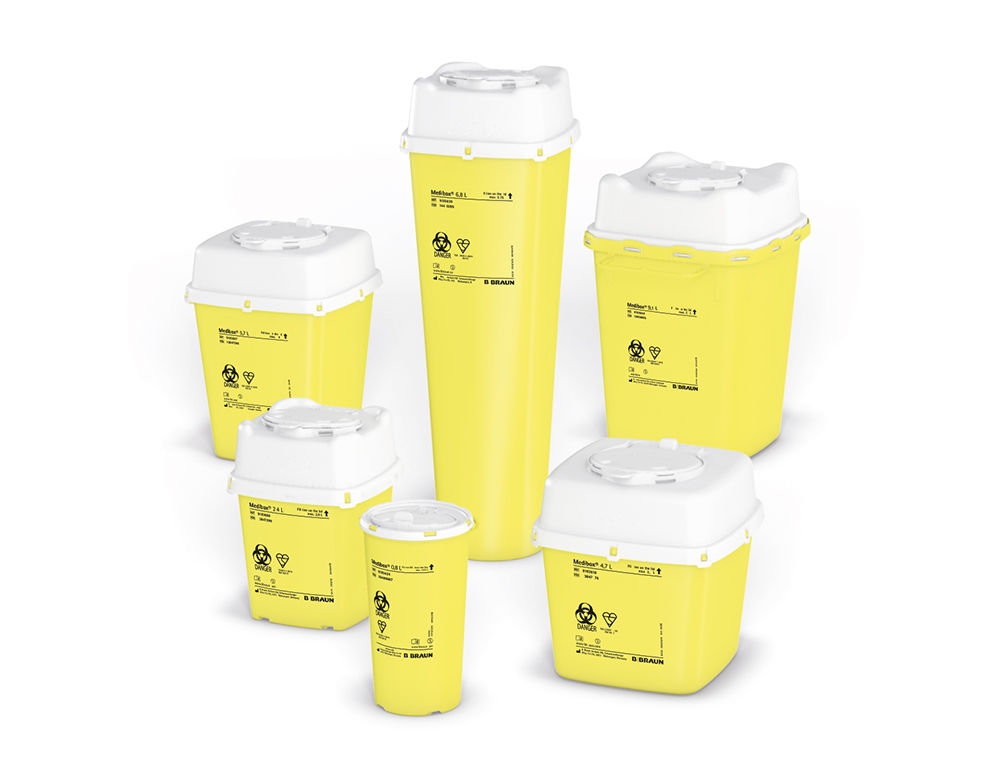 Figure 9: Use of container for sharps disposal.
A general training and educational program on universal precautions and proper use of sharp devices must be established in a hospital. This has to include not only the safe application of hollow-bore needles, but also their disposal, the adaptation of safe work practices and the reporting of NSIs.13,20,24,25
As an example of an effective reduction of injuries, the implementation of point-of-use sharps containers lowered recapping-associated needlesticks from 23% of all needlesticks to only 5% (See Figure 9).15
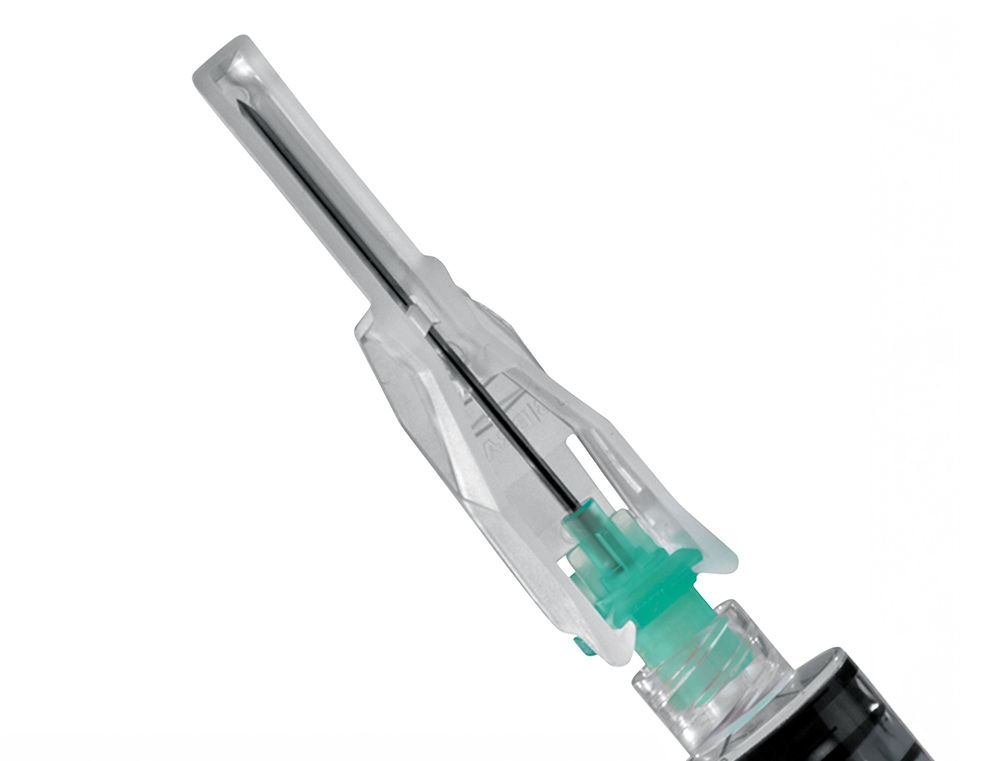 Figure 10: Use of a safety device. Protection by proper handling of a safety hypodermic needle.
Experience shows that continuous reinforcement of educational strategies alone may be insufficient to sustain a reduction of NSIs.28
Therefore, the prevention of NSIs has to be enforced by the use of needle protective devices. The introduction of safety devices instead of non-protected conventional devices can achieve a significant reduction of the risk of NSIs.20
The effectiveness of safety devices varies between the device type and departments within the healthcare setting. Basically, safety devices have been shown to reduce NSIs by 22% to 100%. Consequently, in some areas the transmission of pathogens from percutaneous injuries could be nearly eliminated (See Fig. 10).12
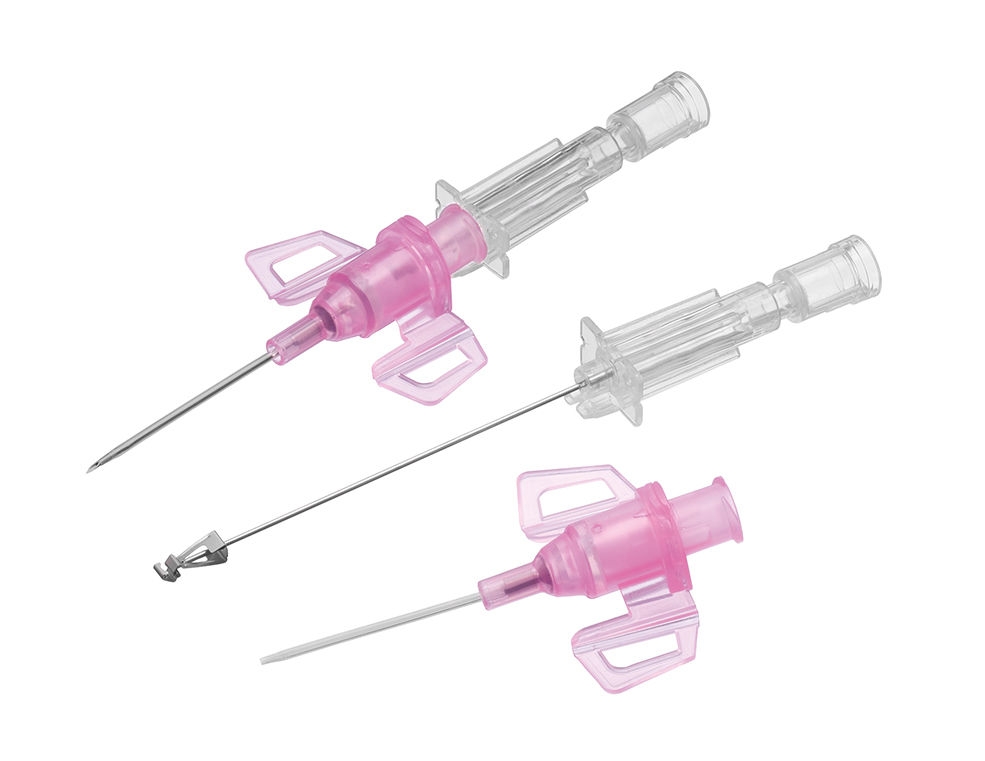 Figure 11*
Under evidence-based criteria, the clinical data are incomplete. For the Cochrane database, a systematic review found very low quality evidence that needle protective devices result in a decrease of NSI compared with non-protected conventional devices.13 A second systematic review concluded that the use of safer sharps devices is considered to improve safety and reduce the incidence of health care worker needlestick injuries. However, their use is not regarded as a complete solution to reducing sharps related injuries amongst health care workers. Furthermore, safer sharps devices should be introduced alongside appropriate educational programmes.28
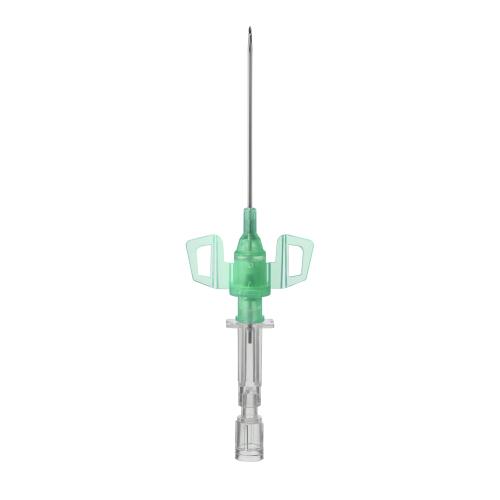
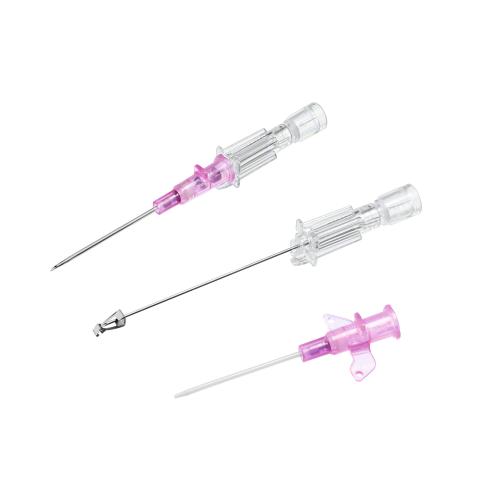
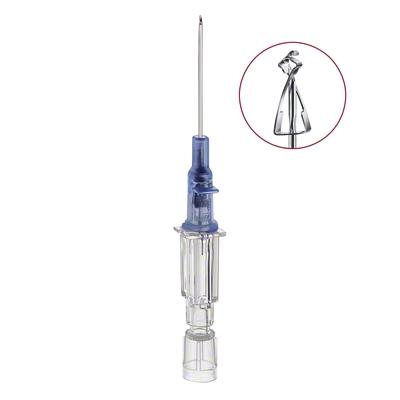
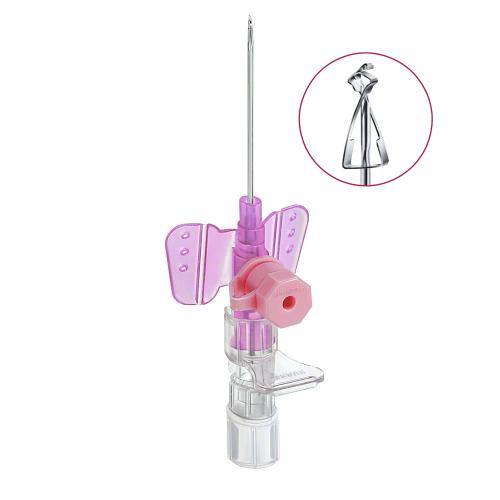
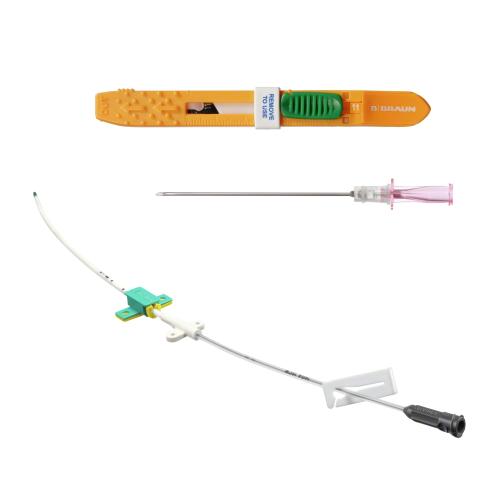
*Figure 11: Example of safety device activeness – engineered to reduce needlestick injuries. A passive, fully automatic protection helps eliminating NSIs and related infections. It deploys automatically, cannot be bypassed and requires no user activation.29,30
The use of safety devices, which can reduce the risk of NSIs by
0%
is an effective preventive measure.25
After the introduction of the passive safety device/ Introcan Safety® in 2004, NSIs caused by IV catheters reduced by
0%
when compared with NSIs in 1999.31
The combination of training and the use of safety devices can, by about
0%
reduce the risk of NSIs.25
Your feedback matters! Participate in our customer survey to help us enhance our website, products and services. Thank you for your support!