No content results match your keyword.
Content

You have successfully logged out.


Not registered yet?
Digital Talks
Join our interactive webinar series Digital Talks and Digital Talks Nutrition, engage with experts, ask questions, and participate in live discussions to see how simplified processes and reduced complexity can give you more time for patient care.

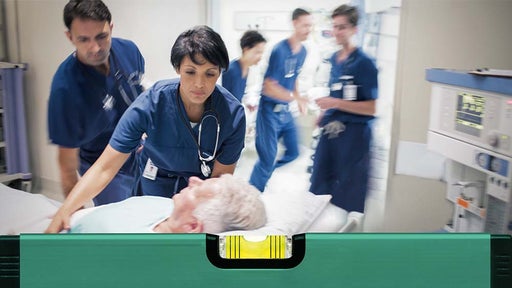
In severe sepsis and septic shock, every minute counts: early recognition and individualized fluid resuscitation to rapidly restore hemodynamic stability can be decisive for survival. Join us to explore the findings of the GENIUS study, presented by study author Prof. Dr. Gernot Marx. This session will provide insights into the clinical evidence on early hemodynamic stabilization in sepsis and the role of fluid resuscitation in critical care. Gain a deeper understanding of the study design, key outcomes, and their relevance for clinical practice, while exploring current perspectives on evidence-based sepsis management.
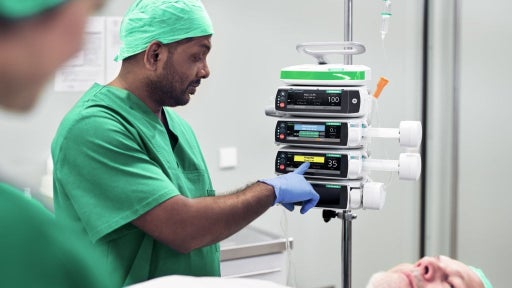
TIVA provides general anesthesia exclusively through intravenous agents, offering an alternative when inhaled anesthesia is unsuitable or impractical. TCI pumps may add precision by using pharmacokinetic models to adjust infusion rates and maintain predefined plasma or effect-site target concentrations. Join us to explore the underlying concepts, and clinical application of TIVA/TCI. This session will showcase how advances in science and technology are supporting more precise, individualized anesthesia delivery while improving patient outcomes. Gain insights into the latest evidence, emerging trends, and innovations that are driving the next generation of anesthesia practice.
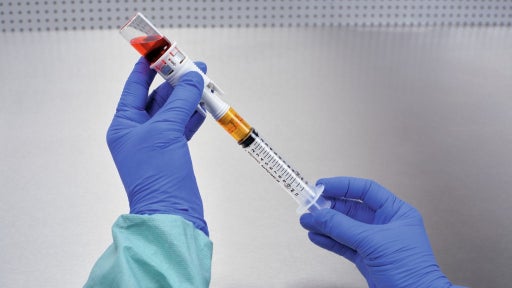
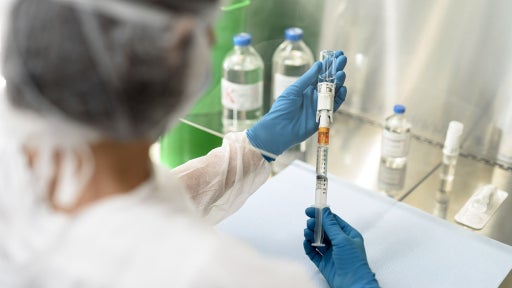
Hazardous drugs, particularly cytotoxic therapies, can pose serious health risks to health care workers through accidental exposure during preparation and administration. Discover how Closed System Transfer Devices (CSTDs) help prevent leaks, spills, and aerosol release, reducing the risk of occupational exposure. Learn about current best practices for the safe handling of hazardous drugs. Explore how innovative closed system technologies can improve safety and workflow efficiency. Join us to discover the future of medication safety.
Hazardous drugs, particularly cytotoxic therapies, can pose significant health risks to health care workers during preparation and administration. In this deep-dive session, we will explore the science, technology, and evidence behind Closed System Transfer Devices (CSTDs) and their role in reducing occupational exposure. Learn how CSTDs help prevent leaks, spills, and aerosol generation during hazardous drug handling. Through practical examples and real-world applications, participants will gain insights into best practices and implementation strategies. Join us to discover how innovative closed-system technologies are advancing medication safety.

Micronutrients are essential for metabolic function, immune response, wound healing, and recovery, yet their importance in clinical nutrition is often underestimated. However, growing scientific evidence and the ESPEN Micronutrient Guideline have demonstrated that adequate micronutrient provision is fundamental to effective nutrition therapy and improved patient outcomes.
In this webinar, experts will discuss the growing relevance of micronutrients in clinical practice, review key recommendations from the ESPEN Guideline, and provide practical insights into optimizing micronutrient therapy as part of modern parenteral nutrition strategies.
Your feedback matters! Participate in our customer survey to help us enhance our website, products and services. Thank you for your support!