No content results match your keyword.
Content

You have successfully logged out.


Not registered yet?
Rebuilding your life after stoma surgery
Living with a stoma can feel overwhelming, but you’re not alone. Adjusting takes time, it’s normal to feel unsure at first. With the right stoma care and support, you’ll gain confidence. Here you’ll find practical tips for living with a stoma.

Living with a stoma
After stoma surgery, it’s completely normal to feel like you’re on an emotional roller coaster, especially in the first few weeks. Please don’t worry: what you’re feeling is completely normal. A stoma changes how your body looks and works and adjusting to that can take time.
You may feel uncomfortable or even a bit upset, when you first need to manage the stoma output. That’s understandable since we’re not used to such direct contact with our bodily functions. Give yourself the space you need and take it one step at a time.
In the beginning, you might find yourself thinking about your stoma constantly and wondering, “Will it always be like this?”. The good news is, it won’t. As time goes on, your stoma will become just another part of your daily routine. Concerns like “How do I sleep with a stoma?” or “How do I shower?” will also be resolved. With patience and the right support, you’ll find your balance again.
Managing daily life, one step at a time
Every person with a stoma is unique and so are your needs. Finding the right stoma bag or accessory can make a big difference in your daily comfort, confidence and overall well‑being. Your stoma nurse will guide you in choosing products that fit your body, lifestyle and needs. They’ll check and adjust for comfort and protection as your body changes. From one-piece to two-piece systems, flat or convex barriers, there’s a solution for every situation that will help you feel secure and confident every day.
Learn more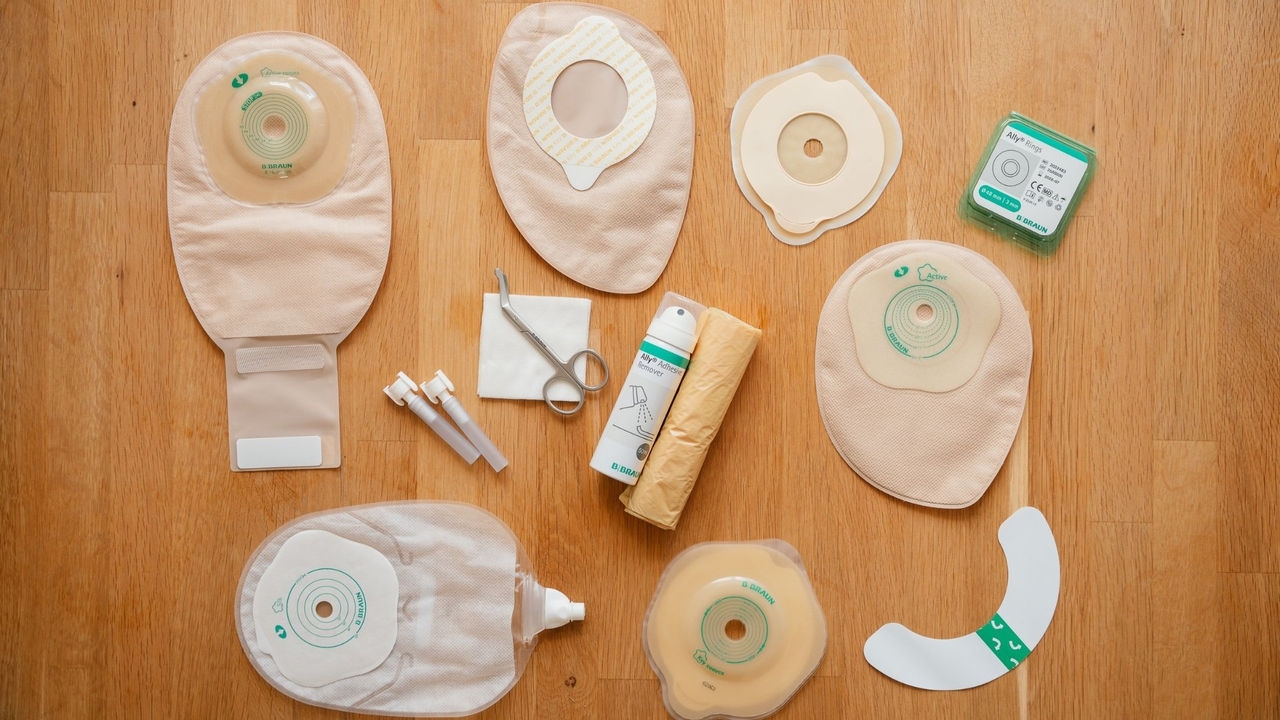
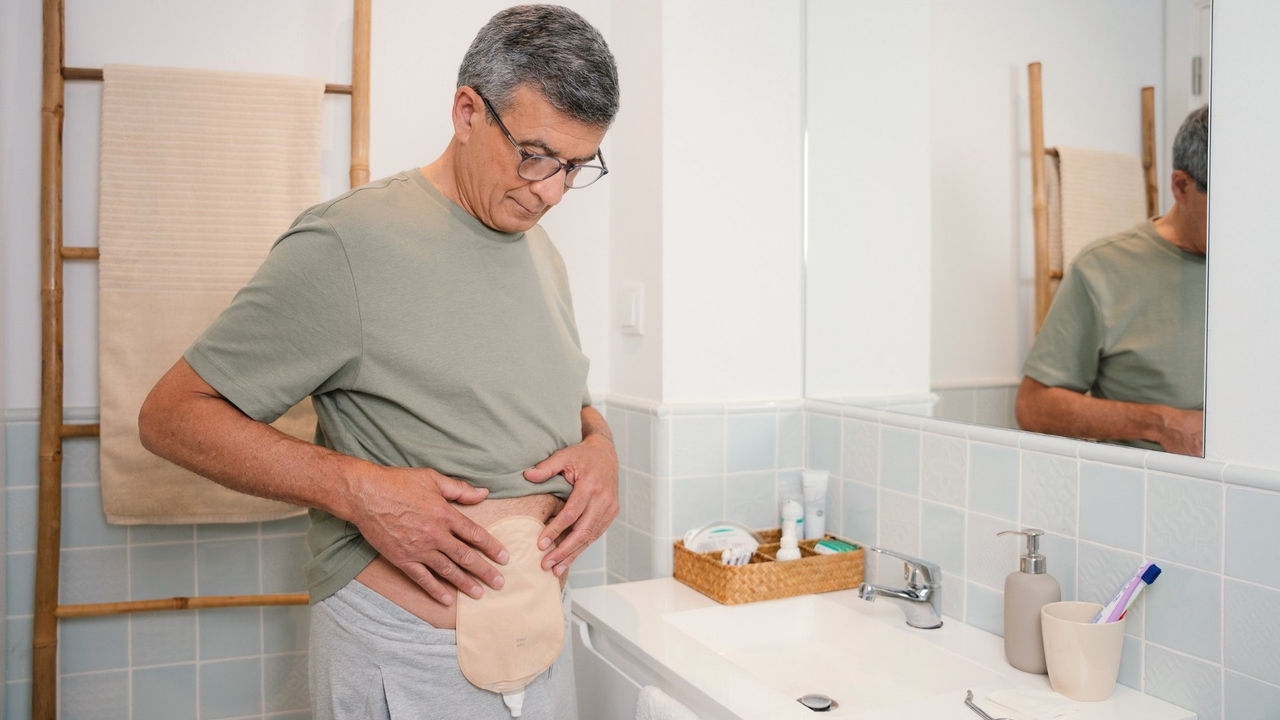
Managing your stoma bag is essential for your comfort and confidence. Check the baseplate opening, remove the used bag, clean and dry the skin, then fit a new bag securely to prevent leaks. With the right routine and guidance from your stoma nurse, you can feel protected and live life fully.
Learn moreYou can enjoy most foods. What matters is what works for you. Everyone is unique, so listening to your body is essential. One of the best ways to understand what works for you is to write it down.
Note how often you empty your pouch. This helps to:
These records can help you and your doctor and nutritionist make the best choices for your well-being. The more details you provide, the better they can support you with personalized advice based on your condition, other health factors and your current situation.
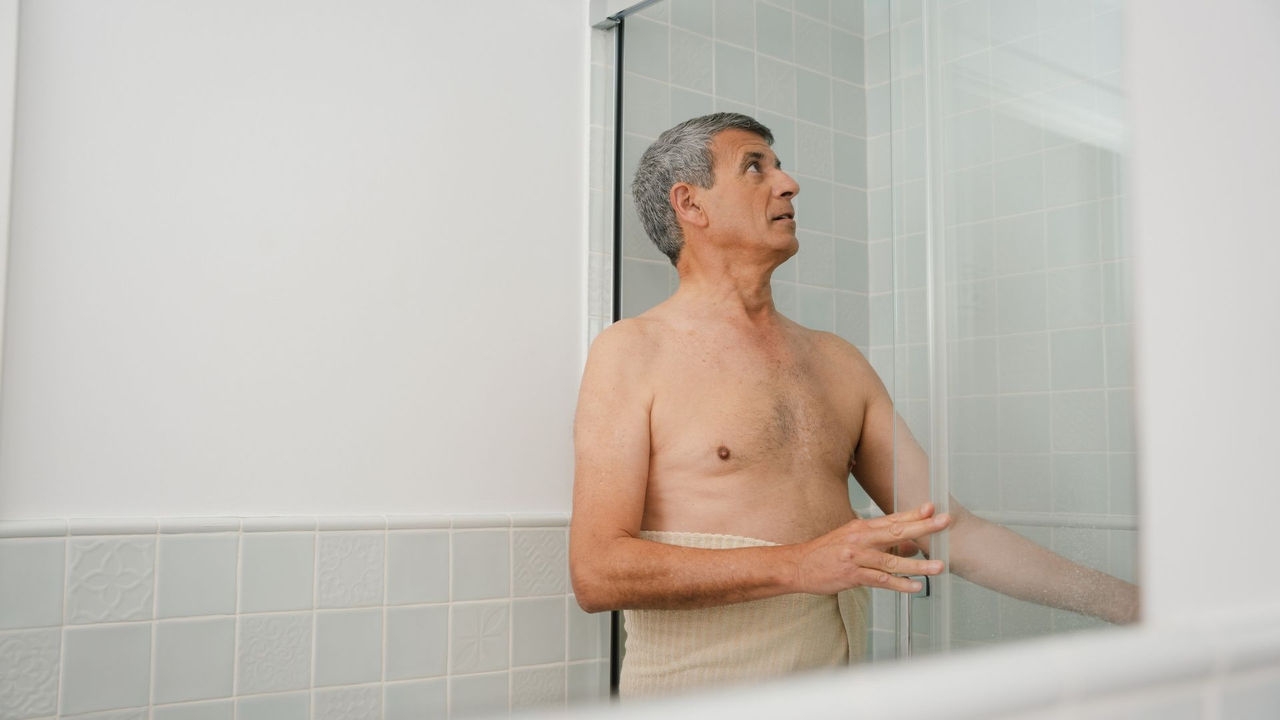
Having a stoma doesn’t mean giving up your daily shower. With the right steps, that refreshing experience is still yours! You can shower with or without your stoma bag, both are safe. Your stoma type will certainly influence your decision whether you prefer to shower with or without a bag: colostomies often have more predictable output, while ileostomies and urostomies tend to be active all the time. In the end, choose what feels most comfortable for you.
Learn moreAfter surgery, loose-fitting clothes are usually more comfortable because of temporary swelling or soreness. This is completely normal and improves in a few months. Once healed, you can go back to wearing the clothes you love and your favorite outfits again.
Feeling unsure about the bag at first is common, but you will feel more confident as you settle into your new routine. If you want extra support, try a support garment. Over time, you should be able to wear swimwear too, if you like swimming.
Most modern stoma bags are discreet under clothing, so you don’t need to change your style. Choose what makes you feel comfortable and confident. Your stoma nurse can suggest options or free samples to help you find the best fit.

Sleeping with a stoma can be challenging, especially in the early stages after surgery. Concerns about leaks, discomfort and finding the right sleeping position are common. But with the right tips, you can enjoy restful sleep.
Always go to bed with a fresh or empty stoma bag. This simple habit reduces the risk of nighttime leaks.
Eat your dinner earlier to give your body time to digest before bed. Avoid foods that cause gas or diarrhea, especially at night.
Lying on your back or side is usually best. These positions help avoid putting pressure on your stoma, reducing discomfort or leakage. Avoid sleeping on your stomach, as this can press directly on the stoma. For extra comfort, try using pillows: placing one gently under or around your stoma bag can help minimize movement and provide a sense of security while you rest.
Leaks can happen if the bag isn’t sticking well, so take a moment before bed to make sure it’s secure. If you’re not sure, your stoma nurse can help you find a bag that feels right for you. The bag you choose can make a big difference for sleep. Think about your stoma size, output and comfort. Your nurse can give you personalized advice or you can try free samples to find the option that fits your lifestyle.
Having stoma surgery is a big change and it’s normal to feel unsure about discussing it. But opening up can make a real difference for your recovery. Sharing what you’re going through helps others understand your needs and gives you the emotional and practical support that makes healing easier. The more you talk, the more confident and comfortable you’ll feel as you adjust to your new routine.
Start with someone you trust: family or friends can offer reassurance and help with daily tasks.
Your stoma nurse is also a great resource: they can explain medical aspects clearly and guide you through any concerns.
Connecting with patient associations is another powerful step. Talking to people who have experienced the same journey can normalize your feelings and show that life with a stoma can be full, active and meaningful.
And remember, whenever you need help or reassurance, you can call our
B. Braun with you service team for personalized phone support and much more.
Embrace your stoma journey with confidence. With the right care, mindset and support, you can live fully - one step at a time.

Returning to work after stoma surgery depends on your recovery, overall health and job type. Some people resume work within weeks, others need a few months. Before going back, check if your role suits your new needs: consider physical demands, hygiene and accessibility and restroom access. If your job involves lifting or heavy tasks, avoid excessive strain to prevent hernias; discuss adjusted duties with your employer. A gradual return, like part-time hours, can help manage fatigue. Always consult your stoma nurse, your employer or occupational health professional for personalized advice.
Be honest and keep it simple. Explain what a stoma is and why you have it, focusing on how it helps your health. Share only what you feel comfortable with and answer questions calmly. If you’re unsure how to start, practice with a close friend or ask your stoma nurse for tips.
Recovery after stoma surgery is different for everyone. Most people start to feel better after about six to eight weeks, but sometimes it can take a few months. How quickly you recover depends on your overall health, the type of surgery you had, and whether there were any complications.
Life after stoma surgery often means making some adjustments, but most people return to their normal routines with time. You may need to change your eating habits at first, introducing foods gradually and avoiding those that cause gas or diarrhea. Physical activity is usually possible, but start slowly and avoid heavy lifting until your doctor says it’s safe. You can shower or bathe as usual and wear your normal clothes with just a few small adjustments. Emotional changes are common, so seeking support from your stoma nurse or patient group can help. With the right care and planning, you can live an active, confident life after surgery.
Yes, many people with a stoma live full, active lives. With the right stoma care products, emotional support and healthy lifestyle choices, you can travel, exercise, socialize and even enjoy physical intimacy. Remember that a stoma is a medical solution, not a limitation.
Many countries offer some form of reimbursement or insurance coverage for stoma products. However, the rules and benefits can vary depending on where you live. To understand what applies to you, contact your stoma nurse for clear guidance on the process and the required documents.
Your feedback matters! Participate in our customer survey to help us enhance our website, products and services. Thank you for your support!


