No content results match your keyword.
Content

You have successfully logged out.


Not registered yet?
Learning how to use your stoma bag
In the hospital, the stoma nurse will teach you how to take care of your stoma independently. At first this can feel unfamiliar and you may feel overwhelmed, but that’s normal. With the right guidance and practice, managing your stoma bag becomes a routine. This website will guide you through the basics, so you can feel confident.

The ideal time to care for your stoma really depends on your personal routine and what feels most comfortable for you. Many people find that mornings, especially right after waking up and before breakfast, are ideal because the stoma tends to be less active, making changes easier and cleaner.
Another good time is during or just after a shower. The warm water helps loosen the adhesive, which makes removal smoother. Plus, it’s a convenient time to clean and dry the skin thoroughly before applying a new system.
Ultimately, the key is to find a rhythm that works for you. Try different times of day and observe when you feel most at ease. With a bit of experimentation, you’ll discover the routine that best fits your lifestyle.
Every stoma is unique, and there’s no one-size-fits-all rule. The right time to change your bag depends on factors like the type of stoma, the amount of output, your skin condition, and your daily activities. Ultimately, it’s about finding what works best for your body and lifestyle. With a bit of trial and observation, you’ll discover a routine that feels comfortable and reliable.
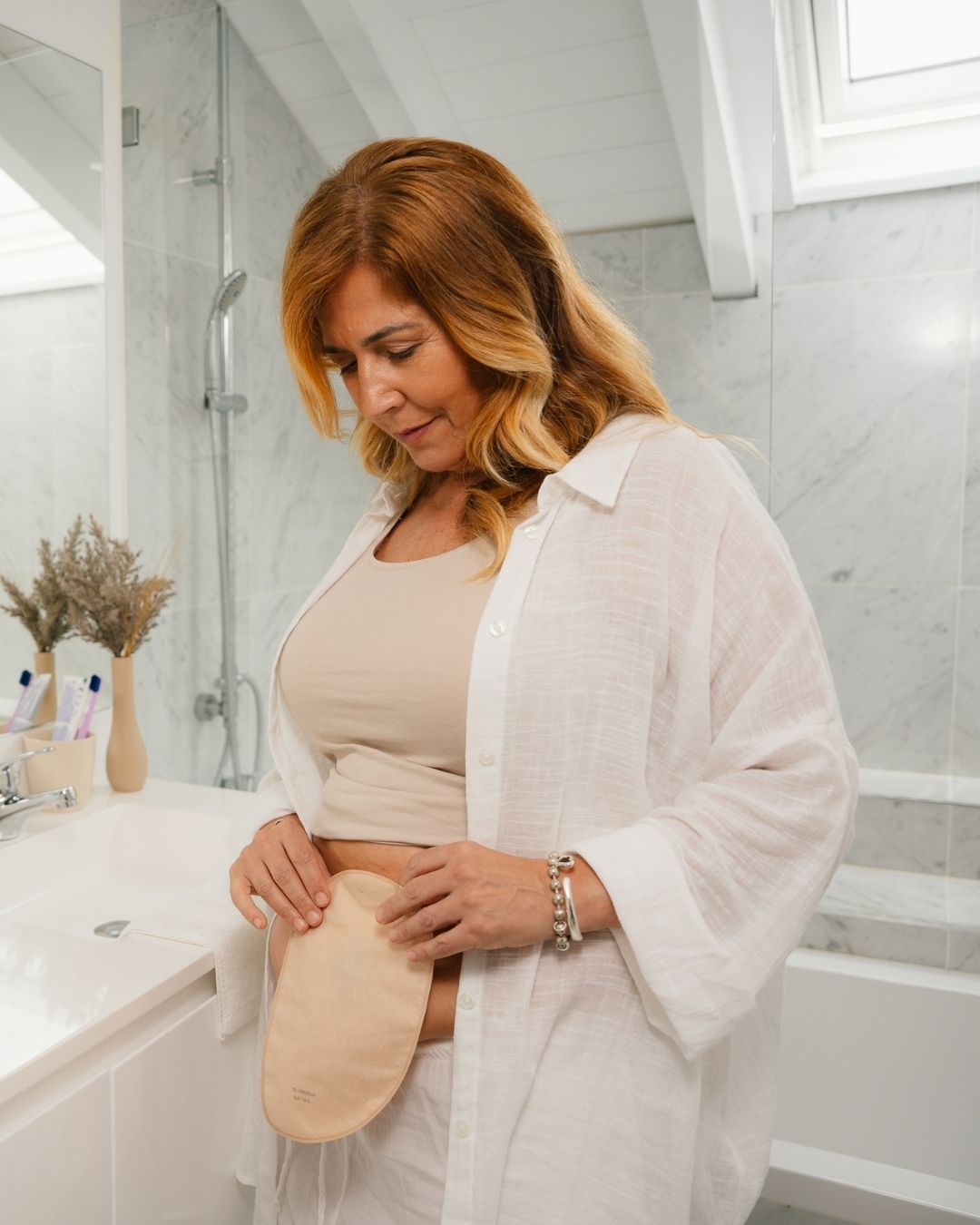
Over time, your body finds a new rhythm. Many people with a colostomy noticethat, after a recovery period, their body develops a regular bowel pattern again. This is completely normal: your intestines adapt and often work at predictable times, such as after meals.
Thanks to this regularity, your stoma bag may stay empty for the rest of the day. This gives you peace of mind and freedom in your daily activities. It also means alower risk of unexpected leaks, greater confidence in social situations and a more comfortable life with a stoma.
Your bowel pattern changes with an ileostomy. If you have an ileostomy, your bowel works differently than before. Because the stoma is connected to the small intestine, output is usually more frequent and liquid. This means your stoma bag will rarely stay empty all day.
However, many people notice that over time, their body develops a more predictable rhythm, often with increased activity after meals. Understanding this pattern can help you feel more confident and plan your day.
You may need to empty your stoma bag several times a day, as frequent emptying is common. The output is often liquid or semi-liquid, and some foods can cause extra gas, which may inflate the bag.
Output is continuous but may become more regular over time.
Stay hydrated and eat balanced meals to support digestion.

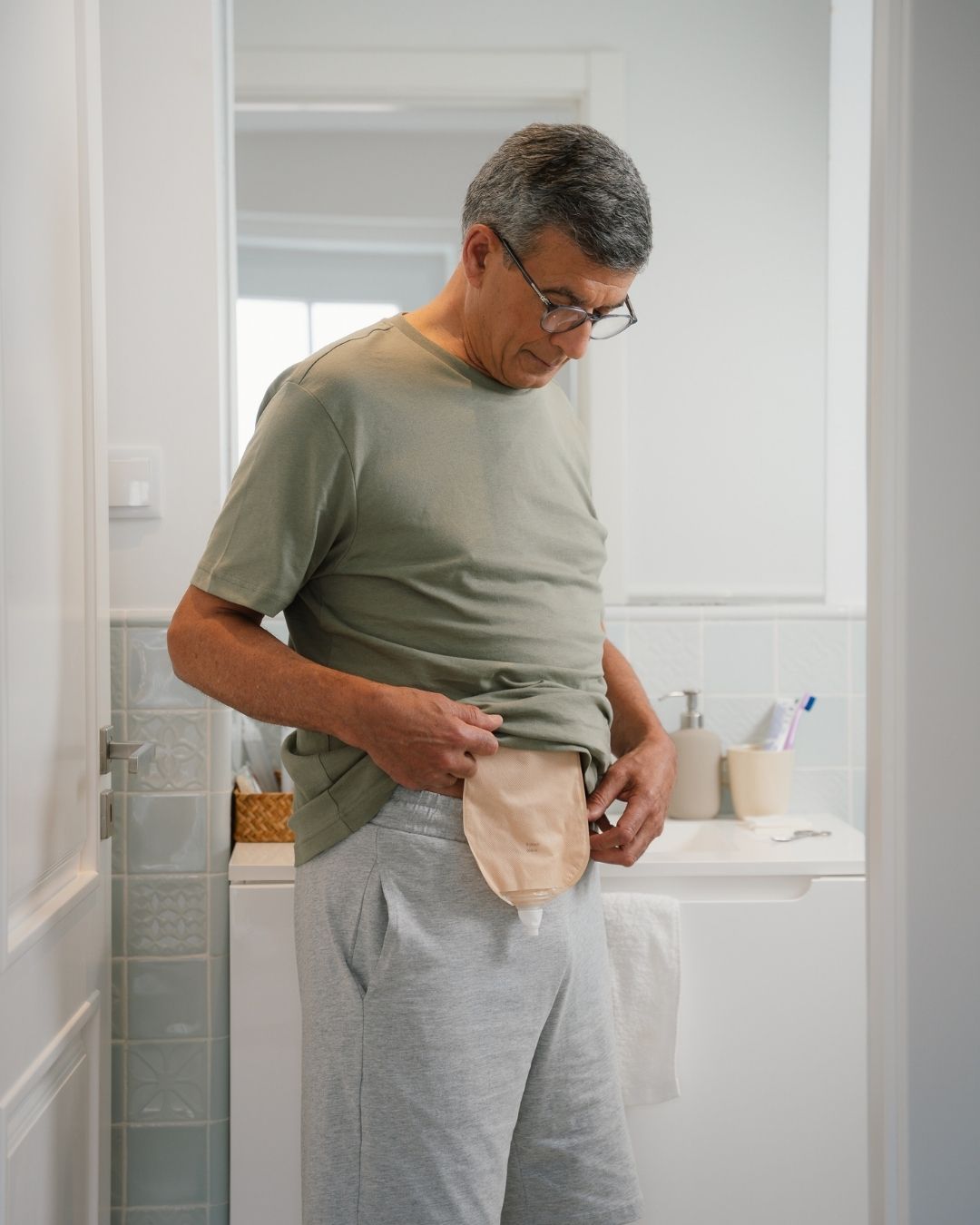
A urostomy produces urine continuously. If you have a urostomy, it’s important to know that your body produces urine all day long. This is a natural process: your kidneys work continuously to filter waste products from your blood.
Because urine production is constant, your stoma bag will gradually fill up. To avoid leaks and discomfort, it’s essential to empty the bag regularly. How often depends on your fluid intake and the size of your bag, but usually several times a day.
Check your stoma bag frequently.
Empty it before it gets too full.
Stay hydrated and plan for regular emptying.
Stoma care can be done in different positions: standing, sitting, or lying down. The best method depends on your comfort and physical condition. For example, you can do it standing in front of a mirror. This offers good visibility, especially in the beginning. Sitting can be more comfortable if you have trouble standing or balancing.
After surgery, when your abdomen is still sore, you can care for your stoma while lying in bed. This is especially helpful when changing a one-piece system. Keep the skin as flat as possible to avoid folds that may cause leakage. Remember, you don't need to do it all by yourself, especially in the early stages. You can ask a loved one to help you with your new routine.
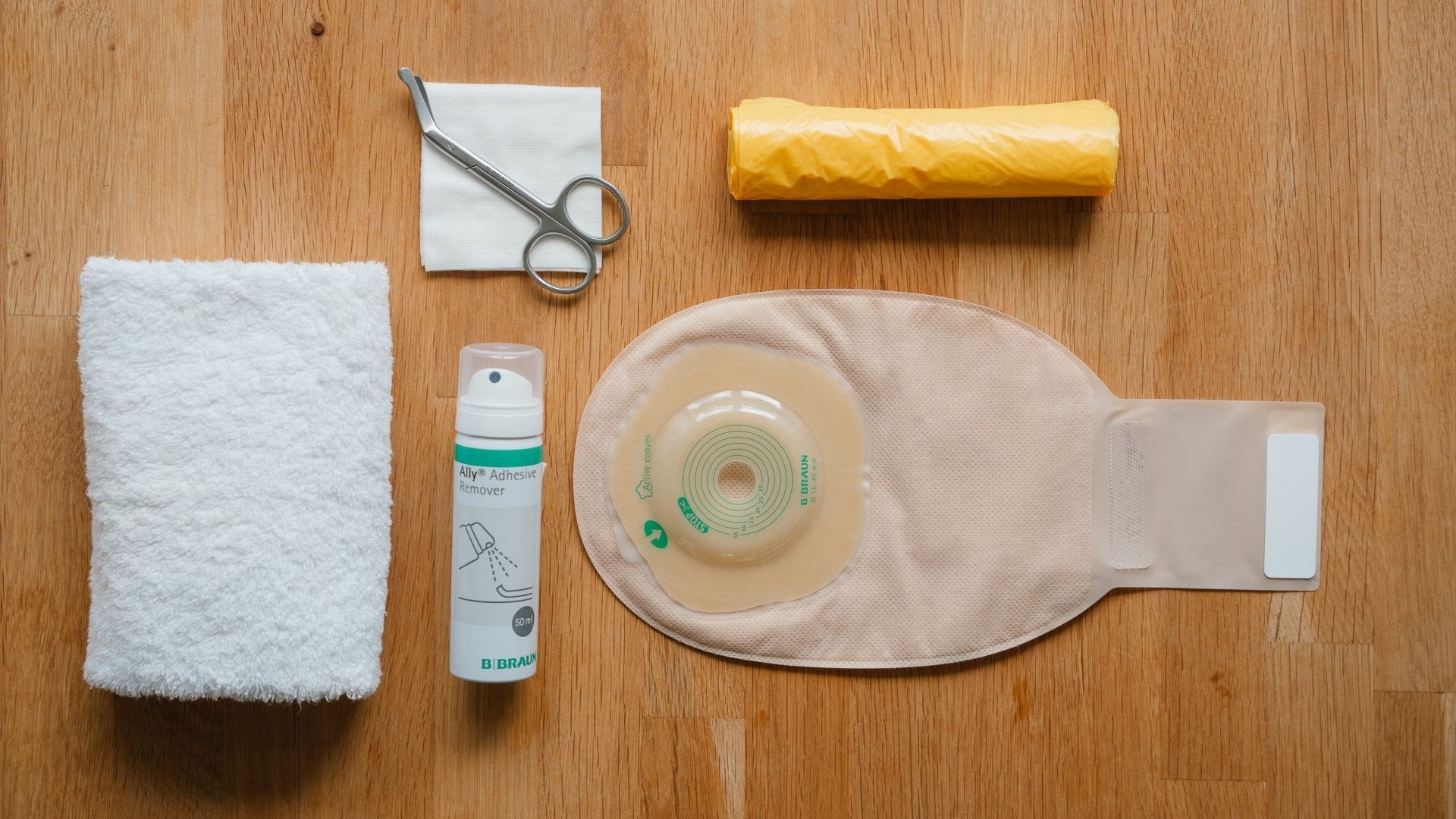
Gather everything you need for your stoma care:
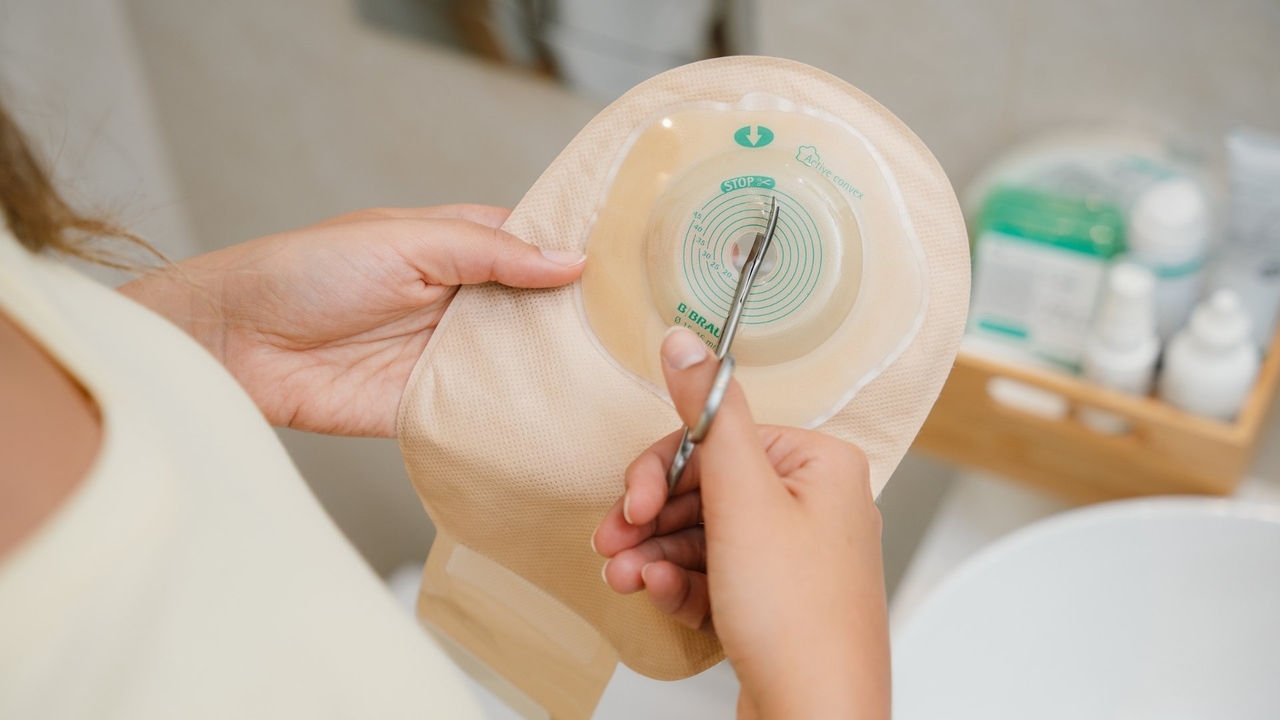
A well-fitting baseplate helps prevent leakage and skin irritation. The opening should be about 1-2 mm larger than your stoma to protect your skin. Use a pre-cut baseplate that fits well or cut the baseplate to the right size just before you apply it.
Gently peel off the baseplate from top to bottom, supporting your skin if you are using a one-piece system. Remove the bag from the baseplate if you are using a two-piece system. Place the used stoma bag in a disposable waste bag, seal it and then throw it away. To make these steps easier and more comfortable, you can rely on stoma care accessories, such as adhesive removers, which help protect your skin and simplify the process.
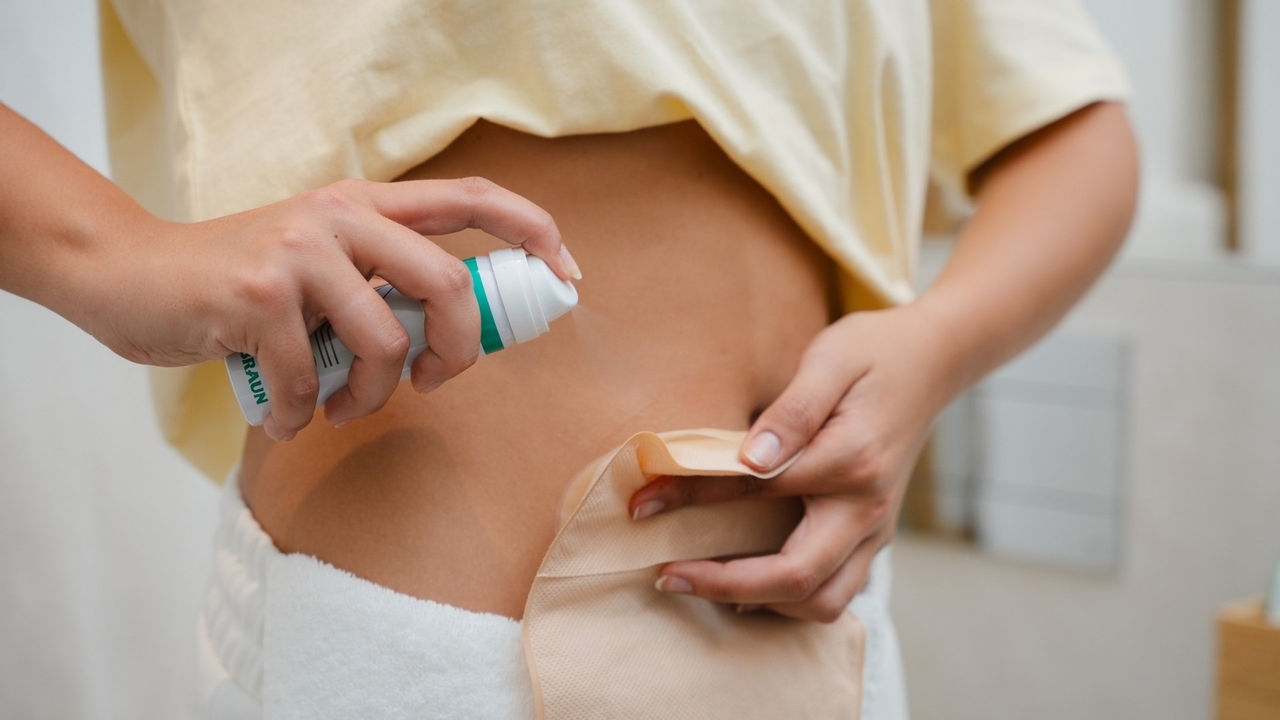
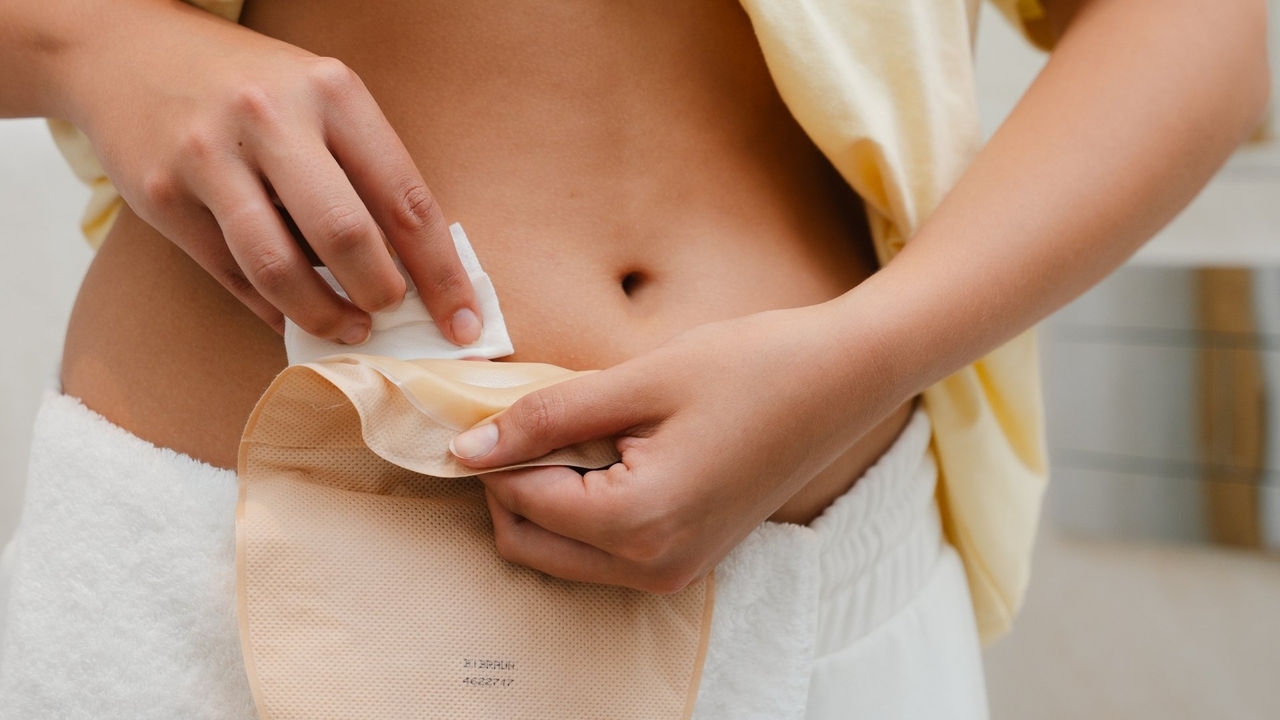
Use warm water and a soft cloth or wipe to gently clean the skin around your stoma. Avoid using soaps with oils or perfumes, as they can irritate the skin or affect how well the stoma bag sticks. Pat the area dry carefully and make sure that your skin is completely dry before applying a new bag.
Carefully position the new stoma bag or baseplate over your stoma, ensuring a proper fit to prevent leaks.
Peel off the backing, fold the baseplate slightly, and apply it from the bottom up. Press gently but firmly to secure it to the skin.
Position the baseplate carefully, press it down, then attach your stoma bag securely to the baseplate. Make sure it clicks or sticks firmly in place.
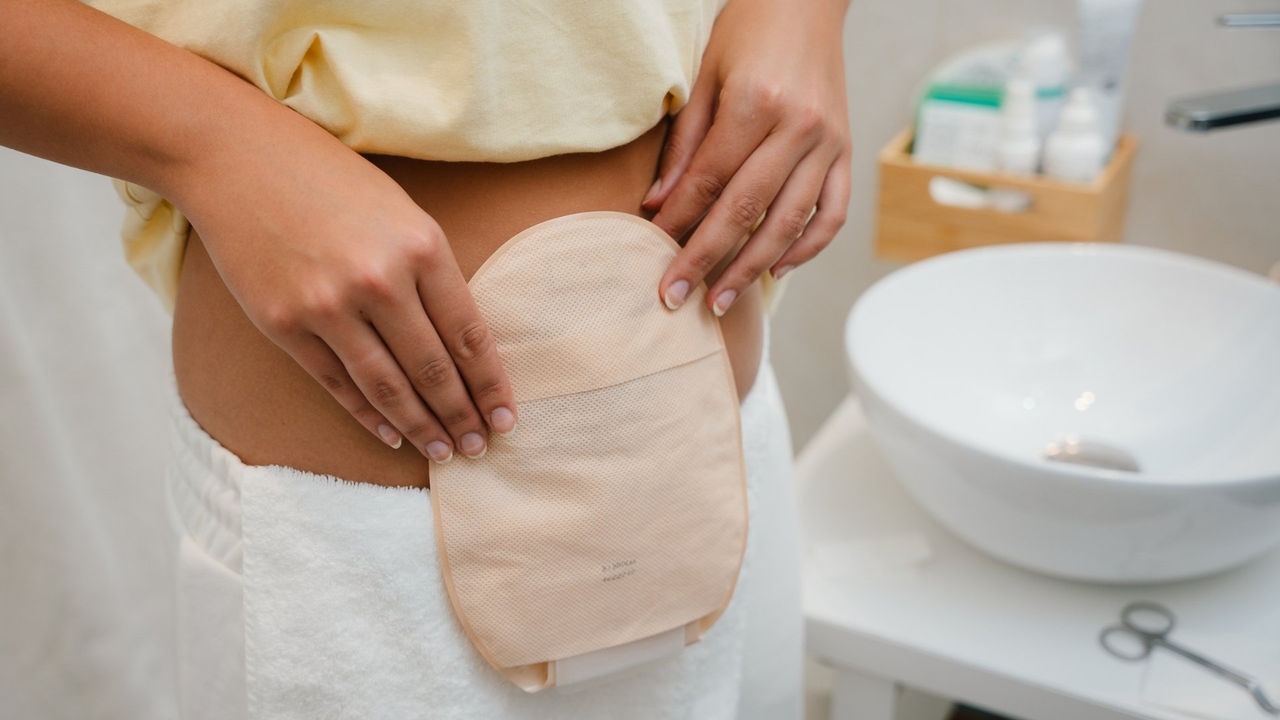
Stoma care doesn’t have to be complicated. Support is always available and with the right routine, you can live life to the fullest.

Your feedback matters! Participate in our customer survey to help us enhance our website, products and services. Thank you for your support!


