Alarm Management
Check the status of any infusion pump connected to the network on your ward. Get real-time access to infusion data and alarms – even remotely.

You have successfully logged out.


Not registered yet?
Unified medical device management
Technology offers significant efficiency potential. Yet without strategic alignment, it increases complexity. Fragmented IT landscapes increase costs for integration and operations, create cybersecurity risks, consume resources, and limit scalability. Unifying infusion pump management through one digital platform strengthens resilience and future readiness.

Reducing the number of IT systems can simplify the lives of hospital staff:
standardizing workflows, minimizing training needs, and reducing technological stress.
This is why we introduce the new centralized infusion pump fleet management.
Run your entire infusion pump fleet through a single software solution –
whether it’s Space®plus, compactplus, Space®, or all of them in parallel.
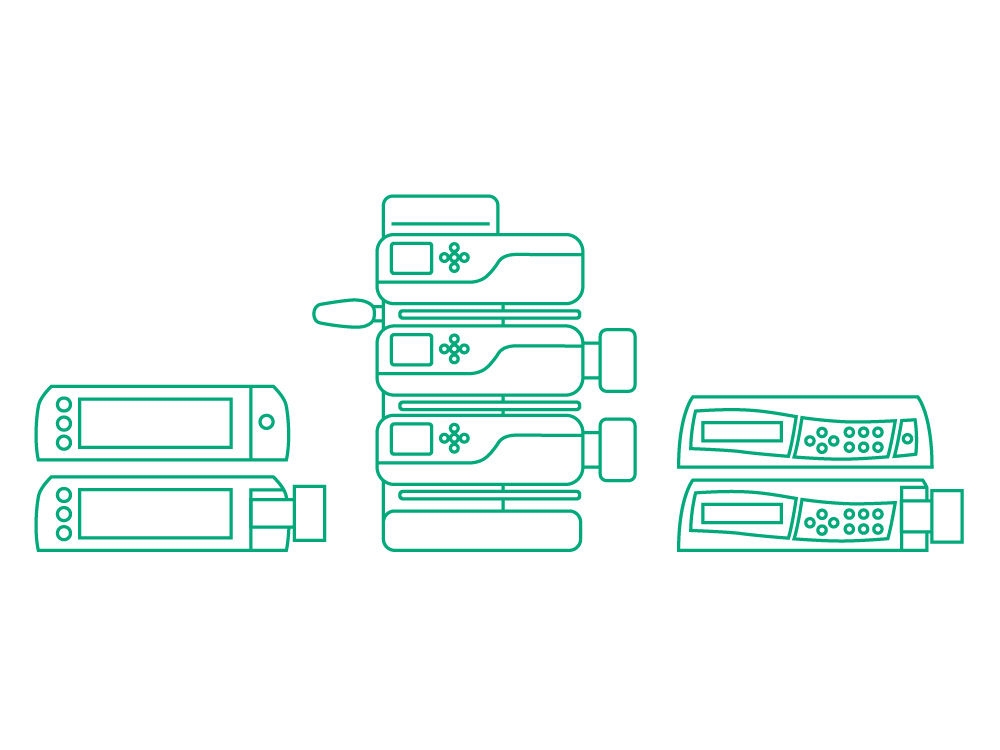
OnlineSuiteplus provides a unified digital foundation for all B. Braun pump models.
Check the status of any infusion pump connected to the network on your ward. Get real-time access to infusion data and alarms – even remotely.

Update infusion pumps with new pump firmware, drug libraries, disposables and configuration files as well as certificates.

Use the medication-safety software Drug Library Manager to centrally administer infusion-therapy settings and dosing limits, updated in real time across the entire infusion pump fleet.

Integrate infusion devices with a wide range of third-party systems such as Electronic Medical Records (EMR) and alarm management systems for infusion pumps.
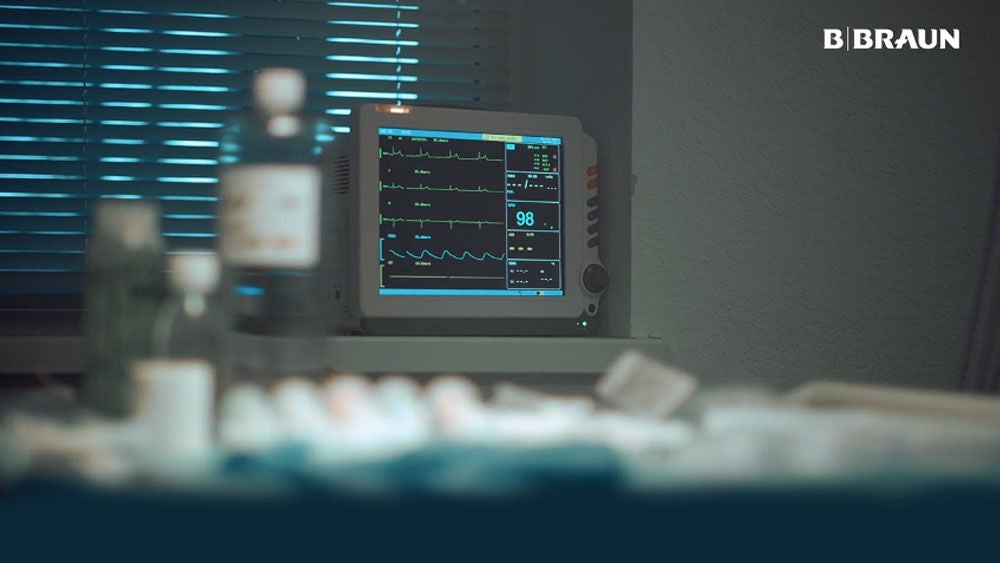
Time is limited. Responsibility is immense. Different device interfaces add technological stress to an already heavy workload.
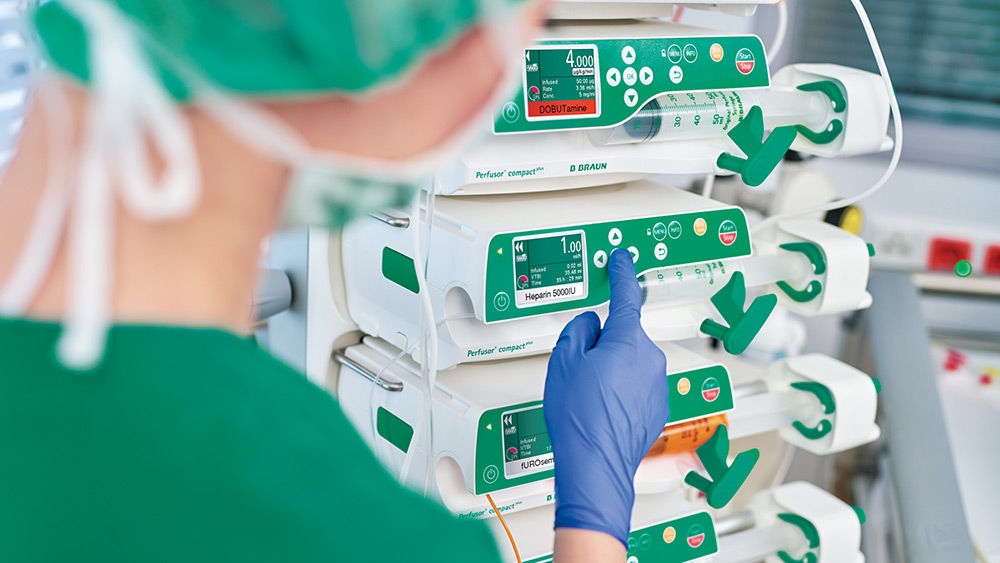
A unified software solution for all infusion pump systems simplifies workflows, helps prevent errors, and accelerates processes – creating more time for patient care.
0%
of health practitioners experience high levels of technostress.1

Connectivity and cybersecurity are particularly critical in hospitals. That’s where standardized solutions add value. One IT platform to integrate, manage, maintain, and update the entire infusion pump fleet – even remotely. One software solution that provides the highest cybersecurity standards. One system to empower a rolling replacement.
DeviceManagerplus“Manually updating the drug library on 500 pumps would have taken 8 weeks to achieve 90% compliance based on previous experience. Doing this wirelessly and hitting over 90% in just 4 days was a game changer.”
The Drug Library Manager gives pharmacists precise, centralized control over medication standards and supports a consistent, safe practice in infusion therapy. With this application, pharmacists can manage and standardize drug guidelines, configure infusion therapy parameters, define and maintain dosing limits centrally for every B. Braun infusion pump in your hospital’s fleet.

The Drug Library Manager provides predefined dosing ranges and infusion parameters based on clinical standards. This standardization reduces variability and human error, which are major contributors to medication errors in high-risk environments. Studies show that implementing dose error reduction software significantly decreases incorrect pump programming and intercepts errors before they reach the patient.
Escandell-Rico FM, Pérez-Fernández L. Analysis of medication errors in Neonatal Intensive Care: A systematic review. Med Intensiva (Engl Ed). 2024 Nov;48(11):654-662.
Hughes, K., Cole, M., Tims, D., Wallach, T., Spencer, C., Page, V., Robertson, J., & Hoffman, J. M. (2024). Optimizing the use of dose error reduction software on intravenous infusion pumps. Hospital Pediatrics, 14(6), 448–454.
Ibarra-Pérez R, Puértolas-Balint F, Lozano-Cruz E, Zamora-Gómez SE, Castro-Pastrana LI. Intravenous Administration Errors Intercepted by Smart Infusion Technology in an Adult Intensive Care Unit. J Patient Saf. 2021 Sep 1;17(6):430-436.
The DLM uses hard and soft limits to trigger alerts when programmed values exceed safe thresholds. These real-time warnings allow clinicians to correct mistakes immediately, preventing overdoses and associated adverse events. Smart pump technology combined with drug libraries reduces severe dosing errors and improves patient safety.
Hoh T, Beer I, Krueger P. Ensuring Optimal Smart Pump Use Through Augmented User Interface. Biomed Instrum Technol. 2015 Fall;Suppl:39-43. doi: 10.2345/0899-8205-49.s4.39. PMID: 26444048.
Ohashi K, Dalleur O, Dykes PC, Bates DW. Benefits and risks of using smart pumps to reduce medication error rates: a systematic review. Drug Saf. 2014 Dec;37(12):1011-20.
During emergencies or complex infusions, clinicians face high cognitive load and time pressure, increasing the risk of programming errors. The DLM minimizes manual calculations and automates safety checks, enabling faster and safer infusion setup.
Blake JWC, Meade K, Giuliano KK. Intravenous Smart Pumps: A Review of the Safety Implications for the Most Ubiquitous Technology in US Acute Care. Crit Care Nurs Clin North Am. 2025 Jun;37(2):255-275.
Nickel B, Gorski L, Kleidon T, Kyes A, DeVries M, Keogh S, Meyer B, Sarver MJ, Crickman R, Ong J, Clare S, Hagle ME. Infusion Therapy Standards of Practice, 9th Edition. J Infus Nurs. 2024 Jan-Feb 01;47(1S Suppl 1):S1-S285.
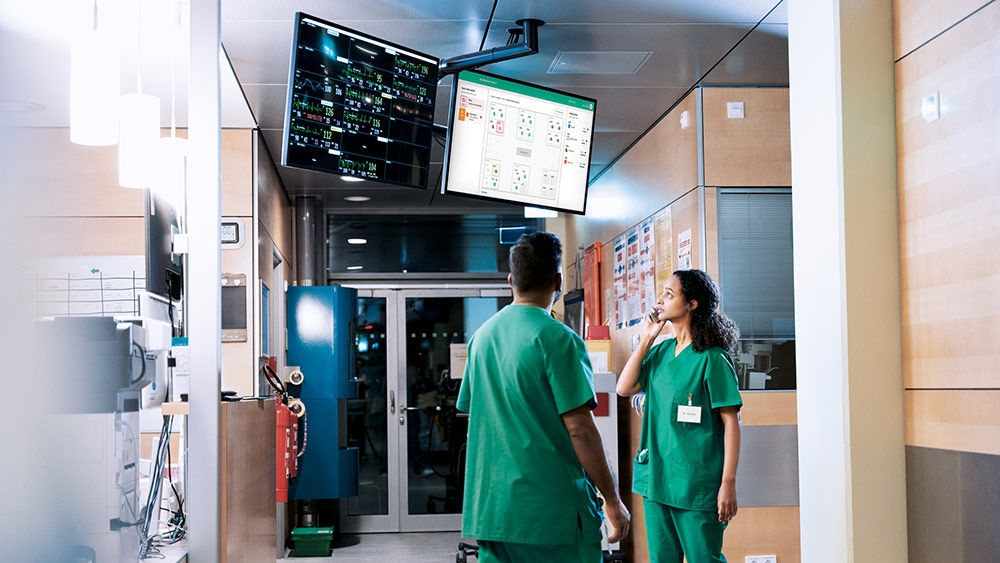
OnlineSuiteplus enables the prioritization of alarms through one uniform software solution for the entire infusion pump fleet of your hospital. This helps staff respond appropriately and minimizes the potential for alarm fatigue and associated risks.
Up to
0%
reduced alarm duration.2
About
0%
of alarms require NO immediate intervention.3–7
According to studies
0%
of critical alarms are not responded to in a timely manner.8
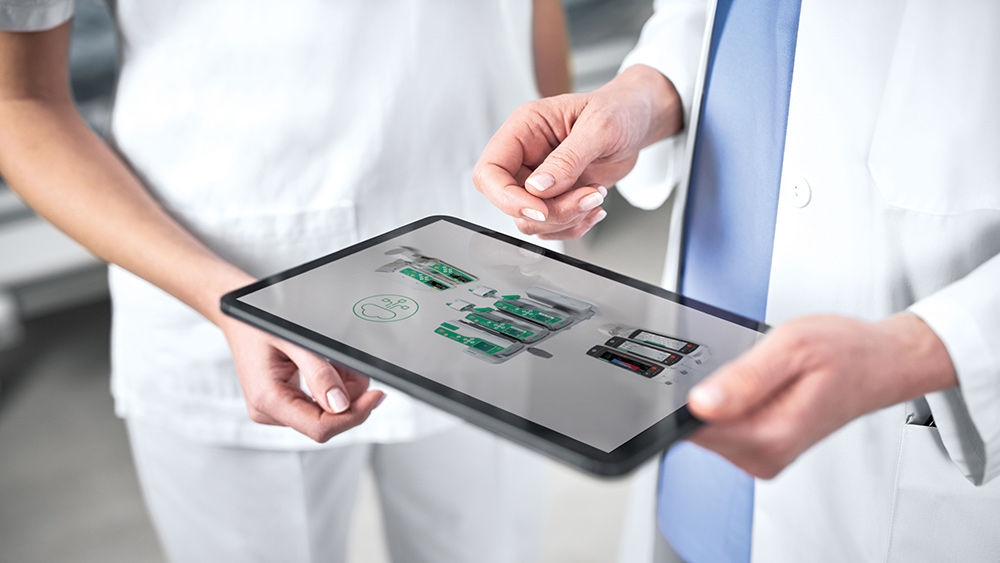
Migrate to OnlineSuiteplus and replace parallel systems with one centralized platform to manage your infusion pump fleet. Pool your resources and create immediate financial advantages:

Since 1839, B. Braun has been a reliable partner in health care. For more than 75 years, we have pioneered safety, quality, and comfort in infusion therapy. Our partnership goes far beyond delivering hard- and software – we support you with comprehensive service and expert guidance to maximize the availability and performance of your infusion pump fleet.
End-to-end serviceA responsible contact person will get in touch with you as soon as possible.
1. Keshavarz, H., Saeidnia, H. R., & Wang, T. (2024). Navigating technostress: a deep dive into health practitioners’ technological challenges in hospital settings. BMC Health Services Research, 24, 1548.
2. OneView Whitepaper 2026. Alarm analysis based on german university hospital
3. Lewandowska K, Weisbrot M, Cieloszyk A, Mędrzycka-Dąbrowska W, Krupa S, Ozga D. Impact of Alarm Fatigue on the Work of Nurses in an Intensive Care Environment-A Systematic Review. International Journal of Environmental Research and Public Health. 2020;17(22):8409.
4. Schmid F, Goepfert MS, Reuter DA. Patient monitoring alarms in the ICU and in the operating room. Crit Care. 2013;17(2):216.
5. Cvach M. Monitor alarm fatigue: an integrative review. Biomed Instrum Technol. 2012;46(4):268–77.
6. Borowski M, Görges M, Fried R, Such O, Wrede C, Imhoff M. Medical device alarms. Biomed Tech (Berl). 2011;56(2):73–83.
7. Purbaugh T. Alarm fatigue: a roadmap for mitigating the cacophony of beeps. Dimens Crit Care Nurs. 2014;33(1):4–7.
8. Wee, A. N., & Sanderson, P. M. (2012). “Name that Tune”: alarms in critical care — how good are we at recognising them? Journal of the Intensive Care Society, 13(2), citing Cropp et al. (1994).
Your feedback matters! Participate in our customer survey to help us enhance our website, products and services. Thank you for your support!